Sakshi NGO’s Education Program for Children is a community-driven initiative dedicated to ensuring access to quality education for migrant children in underserved areas. The project is currently active across Haryana, Delhi, and Uttar Pradesh.
Our Objective
Our objective is to bridge the educational gap for children from migrant communities by:
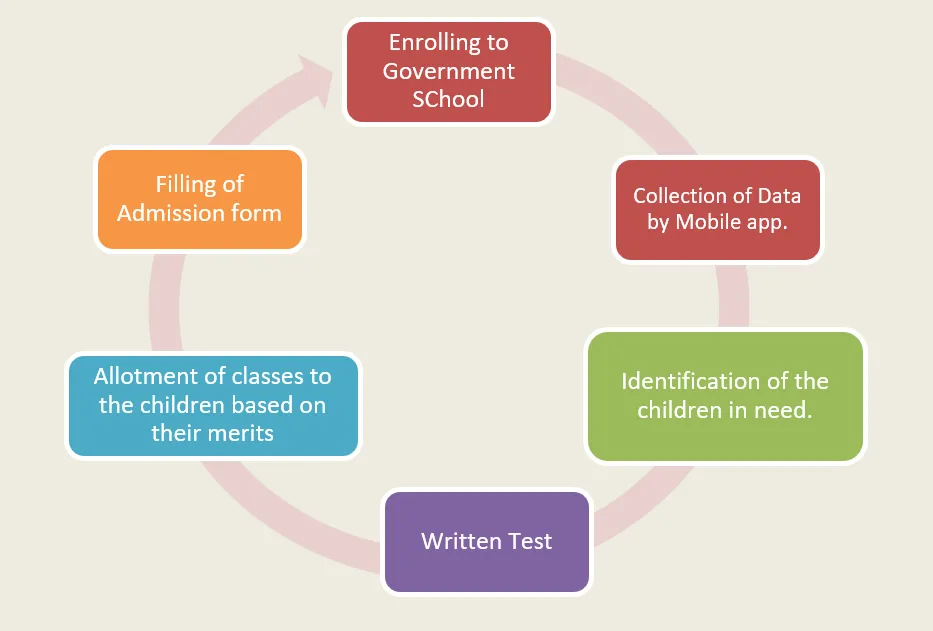
- Identifying out-of-school children (OoSC) through door-to-door surveys
- Enrolling them in Sakshi’s structured learning programmes
- Preparing them for mainstream integration into government schools
Where We Work
- States Covered: Haryana, Delhi, Uttar Pradesh
- Centres Operational: 12 Education Centres
- Total Children Reached: Over 5,000 children aged 6 to 14 years
Children Education Program Components
As one of the actively working Child Education NGO in India, we provide age-appropriate, level-based learning through three targeted programmes:
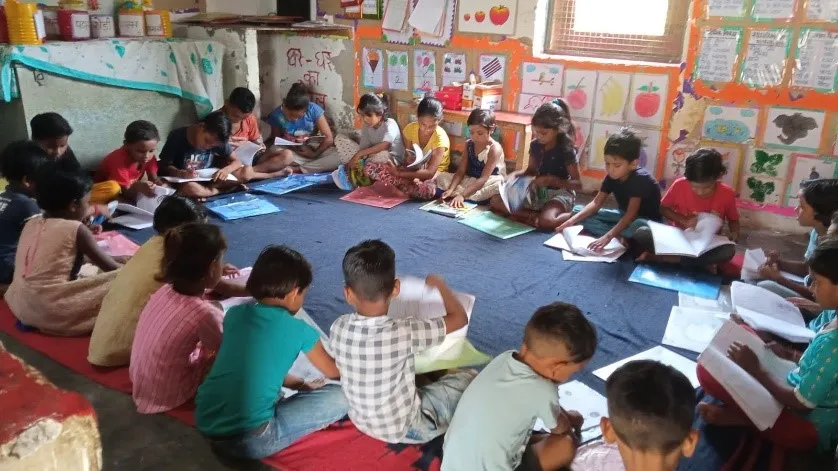
- NFE (Non-Formal Education): For out-of-school children who need foundational learning
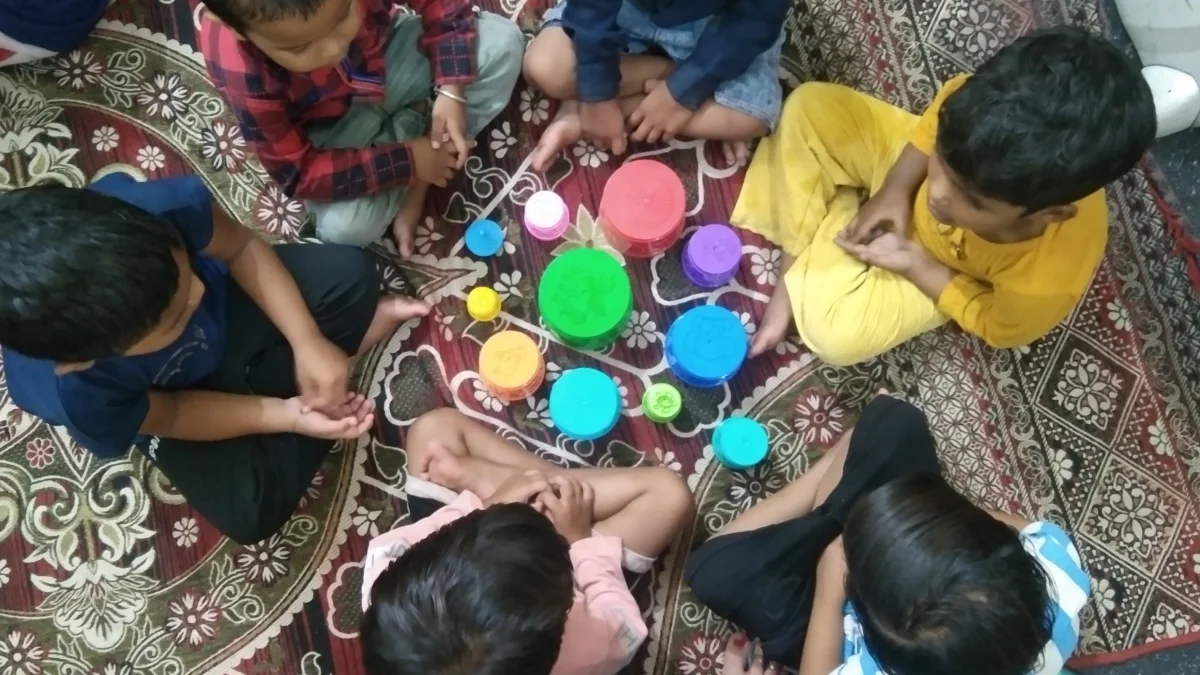
- ECE (Early Childhood Education): Focused on early learners, using play-way methods
- REC (Remedial Education Classes): Academic support for mainstreamed children, offered free of cost
Teaching Approach
- Uses Sakshi’s in-house curriculum, tailored to students’ learning levels
- Conducts baseline, midline, and endline assessments to monitor progress
- Classrooms are child-friendly, inclusive, and interactive, encouraging joyful learning
- Focus on foundational literacy and numeracy, critical thinking, and personal development
Sustainable Impact
- After one year of focused learning, children are enrolled in nearby government schools
- For continued academic support, REC tuition classes help mainstreamed children stay aligned with school requirements
- Schools and parents report noticeable improvements in confidence, discipline, and learning outcomes
Sakshi’s Children Education Programme is not just about literacy, it is about building confident learners and responsible citizens from vulnerable communities. By creating a nurturing environment, we help children catch up, stay in school, and build a brighter future.
Non-Formal Education Support
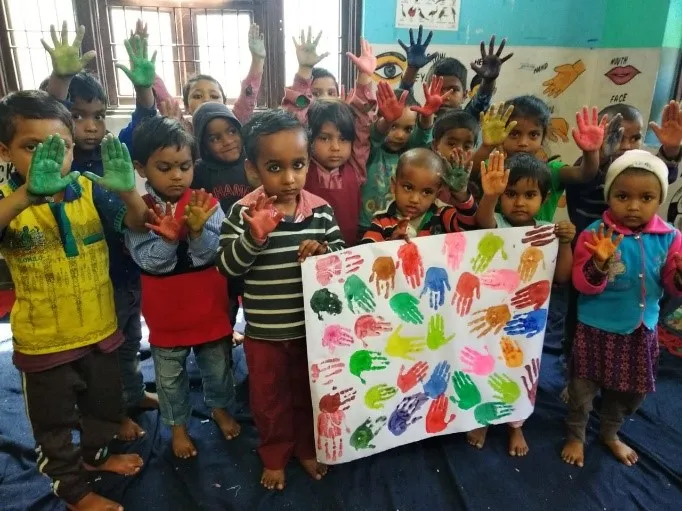
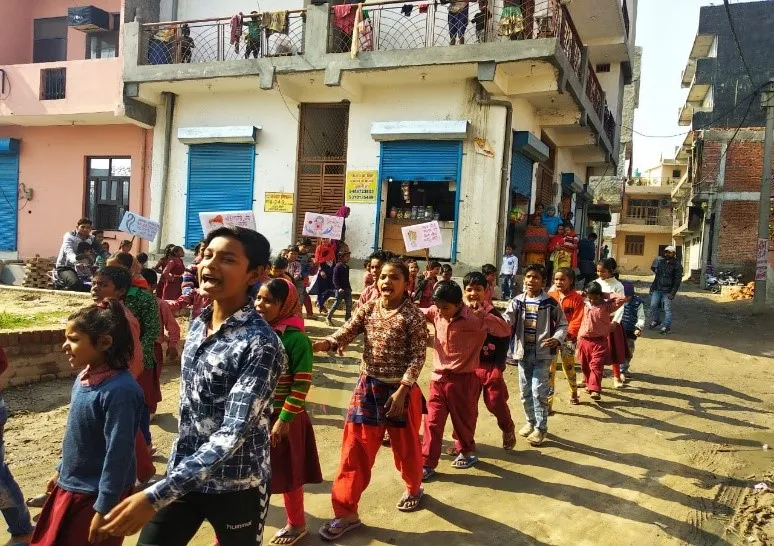
Free and compulsory elementary education is a constitutional assurance and is a fundamental right to children in India. Despite continuous efforts there is a significant number of children who have either never been or have dropped out of school, especially the children from slum migrant families who remain outside the periphery of quality education. Thus, non-formal education plays a very vital role in the rural & slum areas to provide education for underprivileged Children. It has proven to be a viable alternative to formal primary education for the 5-14 year age group of children who cannot afford formal education.
Primary Right to Education Act (RTE Act) use a reference period of 45 working days at any time after the beginning of a school year to identify out-of-school children. If a child does not attend school even for a day in this reference period they are identified as out-of-school children or dropped out. Based on the above understanding Sakshi is addressing this issue of Children education in India including drop-out children and marginalized communities comprehensively guided by an inclusive paradigm. Our holistic child development program includes day care, meals for underprivileged students, childhood basic education and enrol them to Government school for a secure future.
The proposed model is moving away from the conventional bridge model and working towards creating a resilience model for the betterment and improvement of the children.
Early Childhood Education Support
Traditionally the early childhood years were considered to lay the foundation for inculcation of basic values and social skills in children. In India much of the early care and education of the child is informal, within the family and largely through the grandmothers’ caring practices, stories, lullabies, and traditional infant games, handed down from one generation to the next. At Early Childhood, one develops the cognitive, physical, social, and emotional skills, which lay the foundation for holistic development. These learnings are largely determined by supportive family structure and community care practices.
But with the families coming from difficult socio-economic realities, it is found that the burden of Child Care is shifted on to the hands of the elder siblings of the family. This burden eventually keeps them away from the educational structure. With growing urbanization, the need and increase in maternal employment has deprived children from accessing informal child care as it is essentially believed to be the responsibility of a woman.
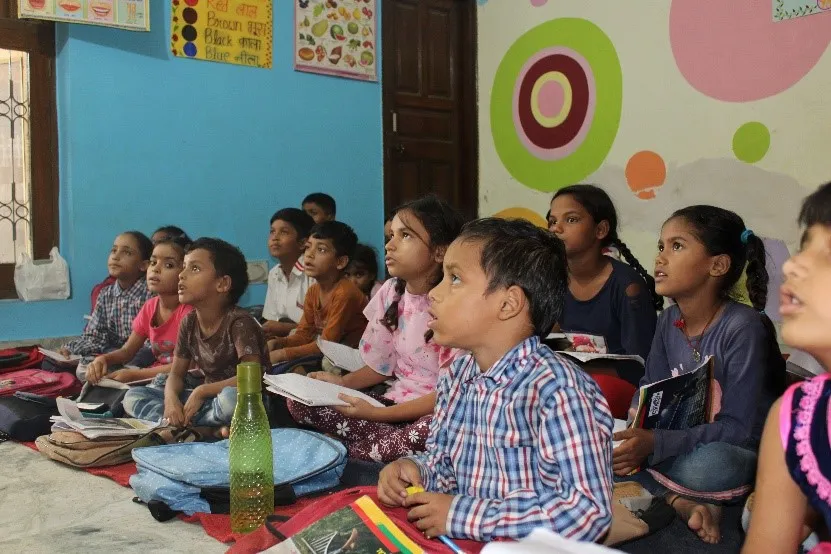
This challenge paved the way for organized Pre- School Education/ Early Childhood Care and Education (ECCE). Recognizing the significance of informal child care, Sakshi- Working as Leading Child Care NGO imparted ECCE for disadvantaged families. The curriculum is designed as activity based. The activities spanning for four hours in a day focuses on the overall development indicators necessary for a child’s growth i.e. cognitive, physical development, language etc.
These ECCE centers in regions of Delhi and Gurgaon ensure a safe and healthy environment where the children can grow their knowledge, develop necessary skills of thinking, imagination, and writing. This also prepares them to become part of the mainstream school structure upon enrolment after turning 6 years old.
FAQ
How to sponsor a child for education in India?
You can select a child in a city of India or a group of children to support their studies. You can make your contribution as a teacher, volunteer, or provide learning essentials for them. You can also sponsor a child by donating for him/her for complete studies associated with some organization. You can find the best Child Education NGO in India working on a holistic approach from childhood to higher studies facilities and offer your help.
What do we mean by out-of-school children?
According to UNESCO, more than 8 million children are not linked with the school education system. Children deprived from primary education in their age and only linked with the non-formal education system are categorised as out-of-school children.
Who can benefit from a Children Education Programme?
Children from underserved communities, migrant labour families, urban slums, and rural areas benefit the most. These programmes especially help children who lack academic support at home.
Why is early education important for every Children?
A Children Education Programme is a structured learning initiative designed to support underprivileged children through academic help, school readiness, life skills, digital literacy, and overall development. It aims to keep children enrolled in school and improve their learning outcomes. Early education builds foundation skills like reading, writing, motor skills, social development, and discipline. Without it, children fall behind quickly and are at a higher risk of dropping out.